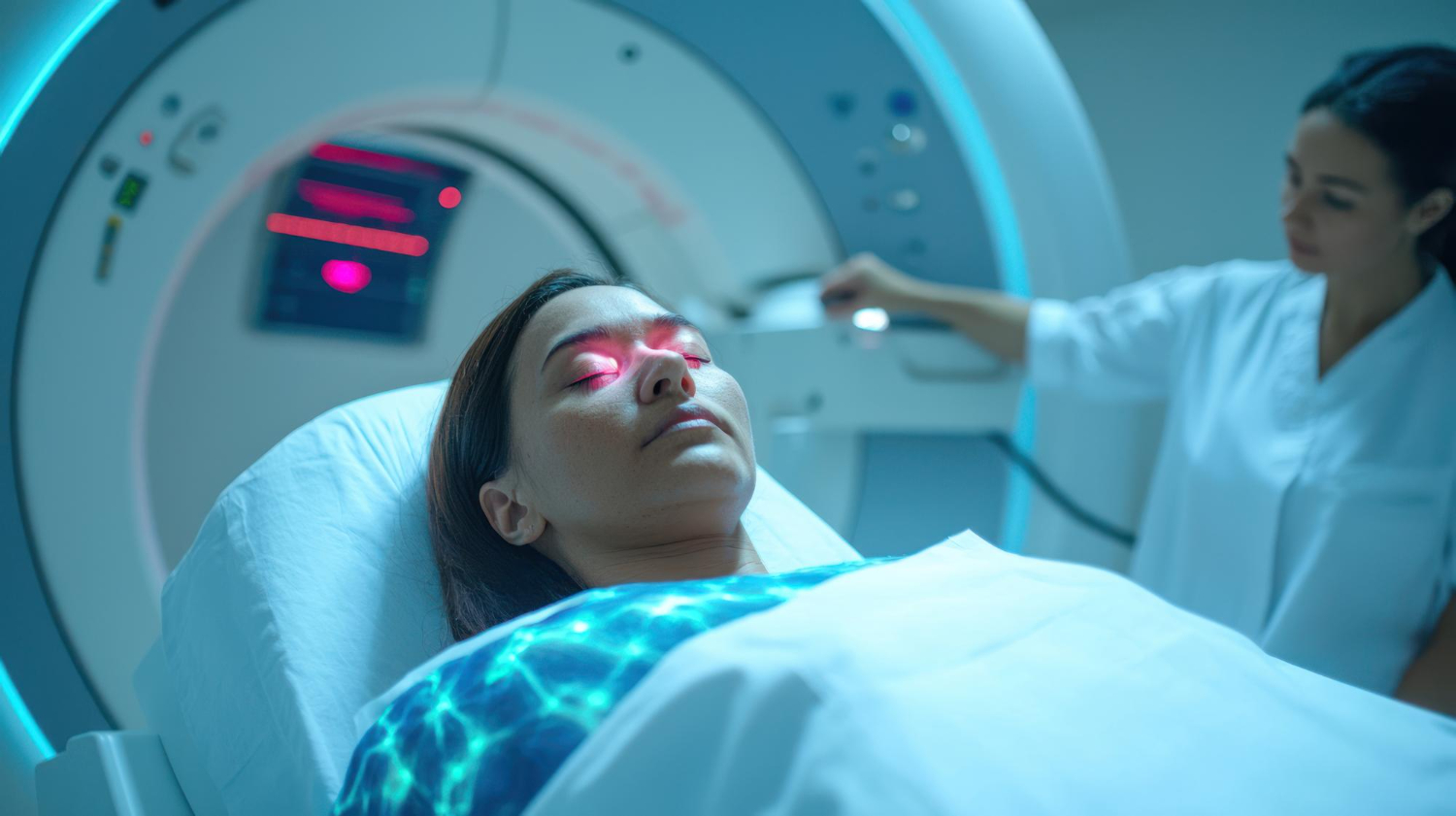
Radiopharmaceuticals, often also called radioligand therapy, are a critical precision medicine approach to cancer treatment, employing targeted radiation to destroy harmful cells. Understanding the nuances of this therapy can help patients make informed decisions. Here are the top five facts about radioligand therapies patients should know.
Radiopharmaceuticals, often also called radioligand therapy, represent a groundbreaking treatment approach for various cancers and diseases. They utilize radioactive substances to target and treat illnesses more effectively - a stark contrast to traditional chemotherapy. Here's what you need to know about radiopharmaceuticals:
- Precision Cancer Targeting
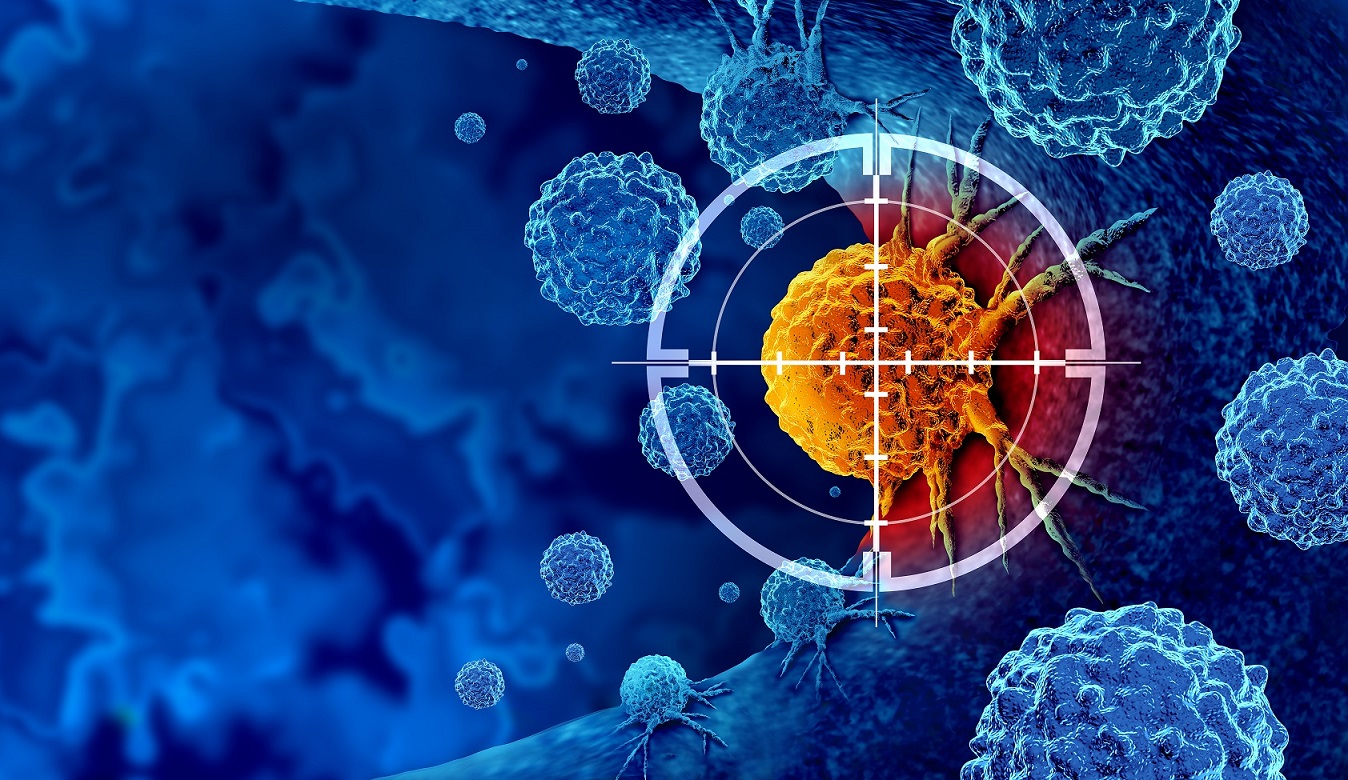
Unlike traditional chemotherapy, which affects both cancerous and healthy cells, radiopharmaceuticals are designed to specifically target diseased tissues. This targeting stems from the radiopharmaceutical's ability to attach to certain proteins or receptors found predominantly on cancer cells, allowing them to deliver a lethal dose of radiation directly where it is needed. This precision helps reduce damage to healthy cells, minimizing side effects.
- Minimized Side Effects
Patients receiving radiopharmaceuticals often experience fewer side effects compared to those undergoing traditional chemotherapy. While chemotherapy can lead to issues such as nausea, hair loss, and a weakened immune system, the targeted nature of radiopharmaceuticals typically results in less impact on the rest of the body. This targeted approach not only enhances comfort during treatment but also improves overall quality of life.
- Combination Therapy Potential
Radiopharmaceuticals can be used alongside other treatments, such as immunotherapy or chemotherapy, creating a synergistic effect that boosts overall efficacy. This combination allows for treatment plans tailored to individual patients' needs, increasing the chances of successful outcomes. For example, using radiopharmaceuticals can help decrease tumor size before surgery or assist in eliminating remaining cancer cells post-surgery.
- Theranostic Capabilities
Radiopharmaceuticals also have the unique advantage of theranostics - a combined approach of therapy and diagnostics. By using the same agent for both imaging (to understand the extent of disease) and treatment (delivering targeted radiation), physicians can create highly personalized treatment plans. This capability allows for real-time monitoring of the treatment's effectiveness, making it easier to adjust dosages and strategies appropriately.
- Expanding Horizons with Technology
The field of radiopharmaceuticals is evolving rapidly, thanks to advancements in medical technology and manufacturing techniques. Novel formulations, such as nanoparticle-based delivery systems, enhance the effectiveness of radiopharmaceuticals by improving drug availability and localization to cancerous tissues. Additionally, the integration of artificial intelligence aids in optimizing treatment plans, predicting patient responses, and improving imaging quality.
Conclusion
Radiopharmaceuticals offer a promising alternative to traditional chemotherapy, presenting a more targeted, precise, and patient-friendly approach to cancer treatment. Understanding these innovations can empower patients to explore their treatment options and engage in conversations with their healthcare providers about the best path forward.